
Andreas Marcato
Technical Designer
About
I am a hard-working team player driven by a burning passion and thirst for knowledge regarding the processes of making video games.Currently on my third year of Game Design study at South-eastern Finland University of Applied Science (Xamk), on a journey to become a Technical Designer.I have experience as both programmer and game designer, giving me a unique perspective on design, with my extensive knowledge and understanding of both disciplines and game development pipelines.
Recent Projects
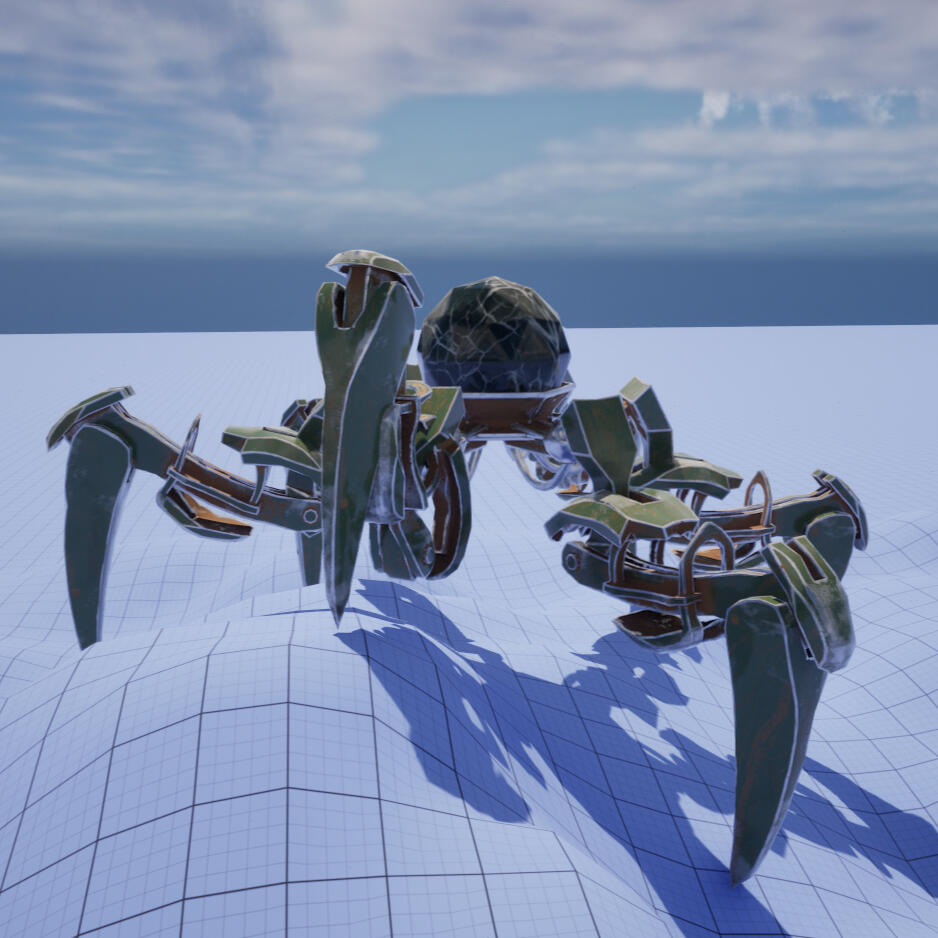
Mechwalker:
Procedural Animation
The Mechwalker is a procedural animation project in Unreal Engine 5 in collaboration with 3D artist Jyri Jaatinen. The idea was to research and create a pipeline to implement procedural animation for a non-humanoid skeletal mesh through an iterative process.
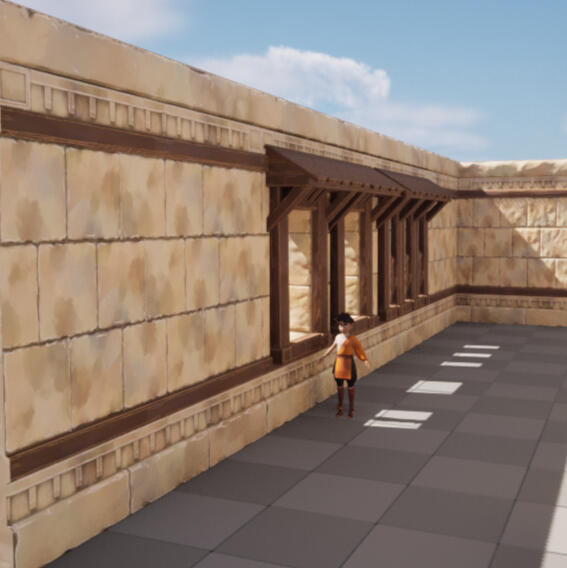
Playground Project
The Playground is a long-term project in collaboration with Xamk Game Design alumni about studying specific topics related to our roles in the gaming industry and putting them together in a cohesive game project. This work is a team effort made possible thanks to Jenna Toivonen, Antti Keinänen and Christopher Solis.
Currently under development.
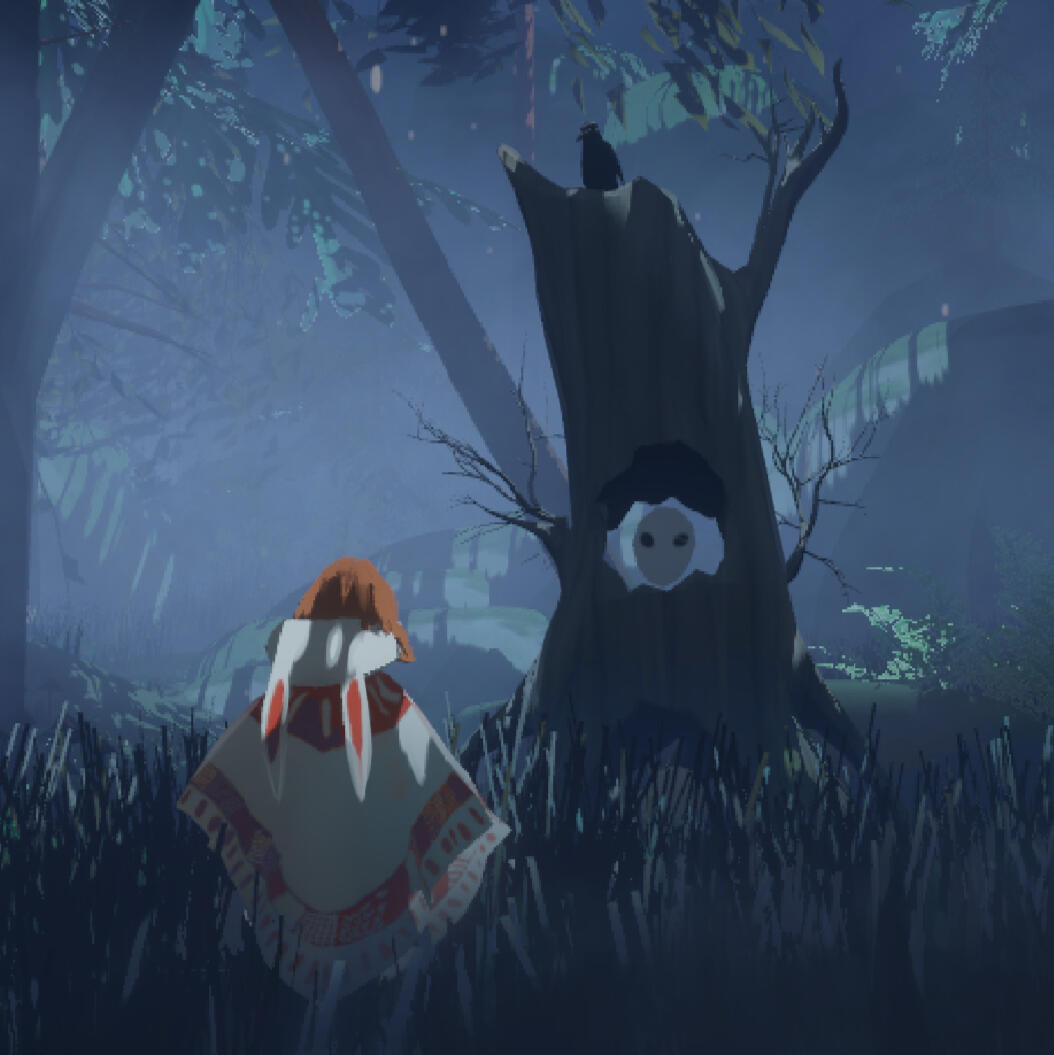
In Between:
The Cottongrass Path
In Between is a 3D Platform-Adventure game in collaboration with artist Alise Hirvonen. The intention of the project was to test the knowledge we got from the first year of our Game Design studies at Xamk and see what we could achieve.
Other Projects
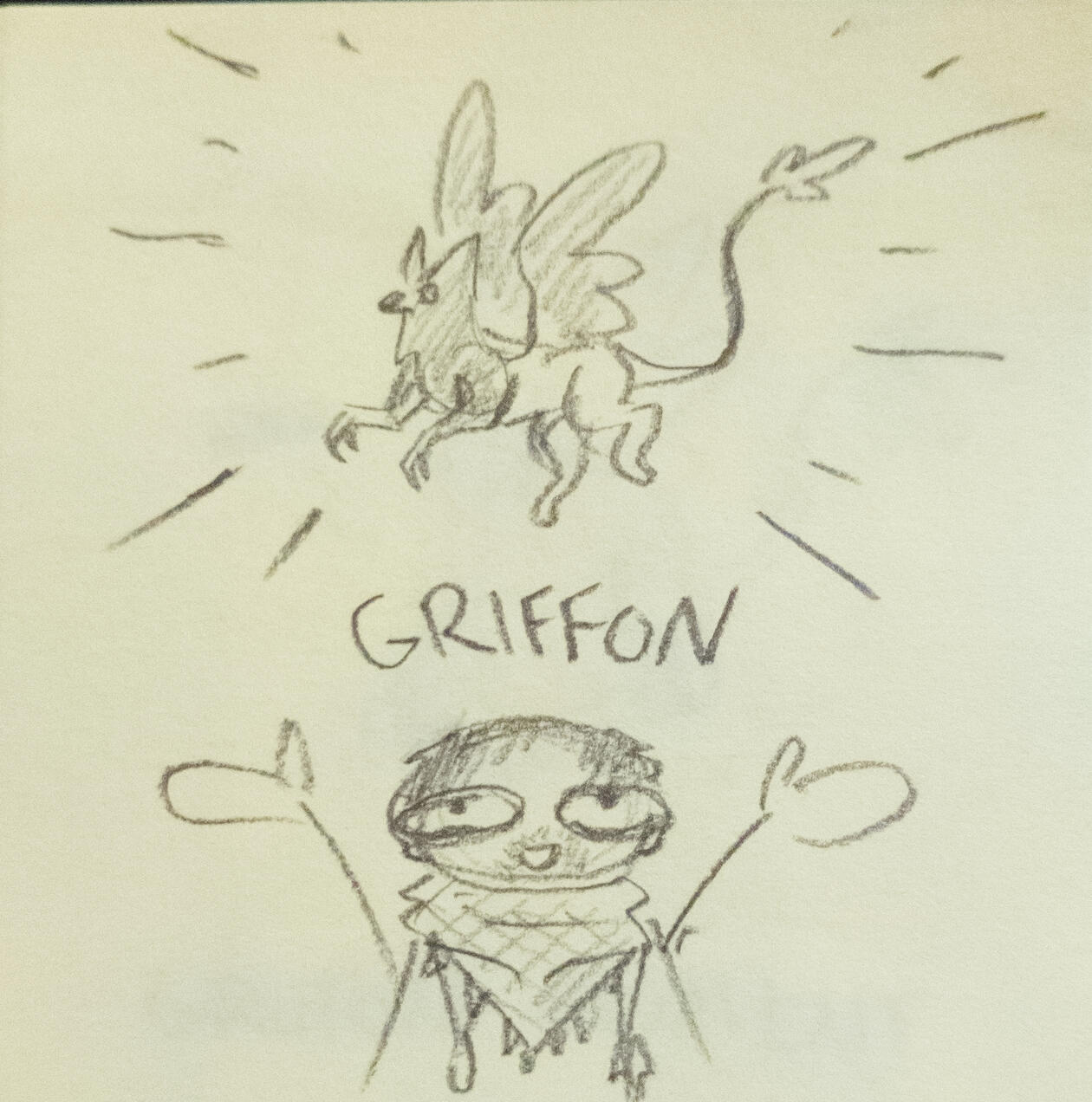
Game Jam Games
Here you can have a look at Game Jam games I have made in small teams in no more than 48 hours. You can click on More to see a couple of jam games, or on the itch.io button to chck my profile page on the website.

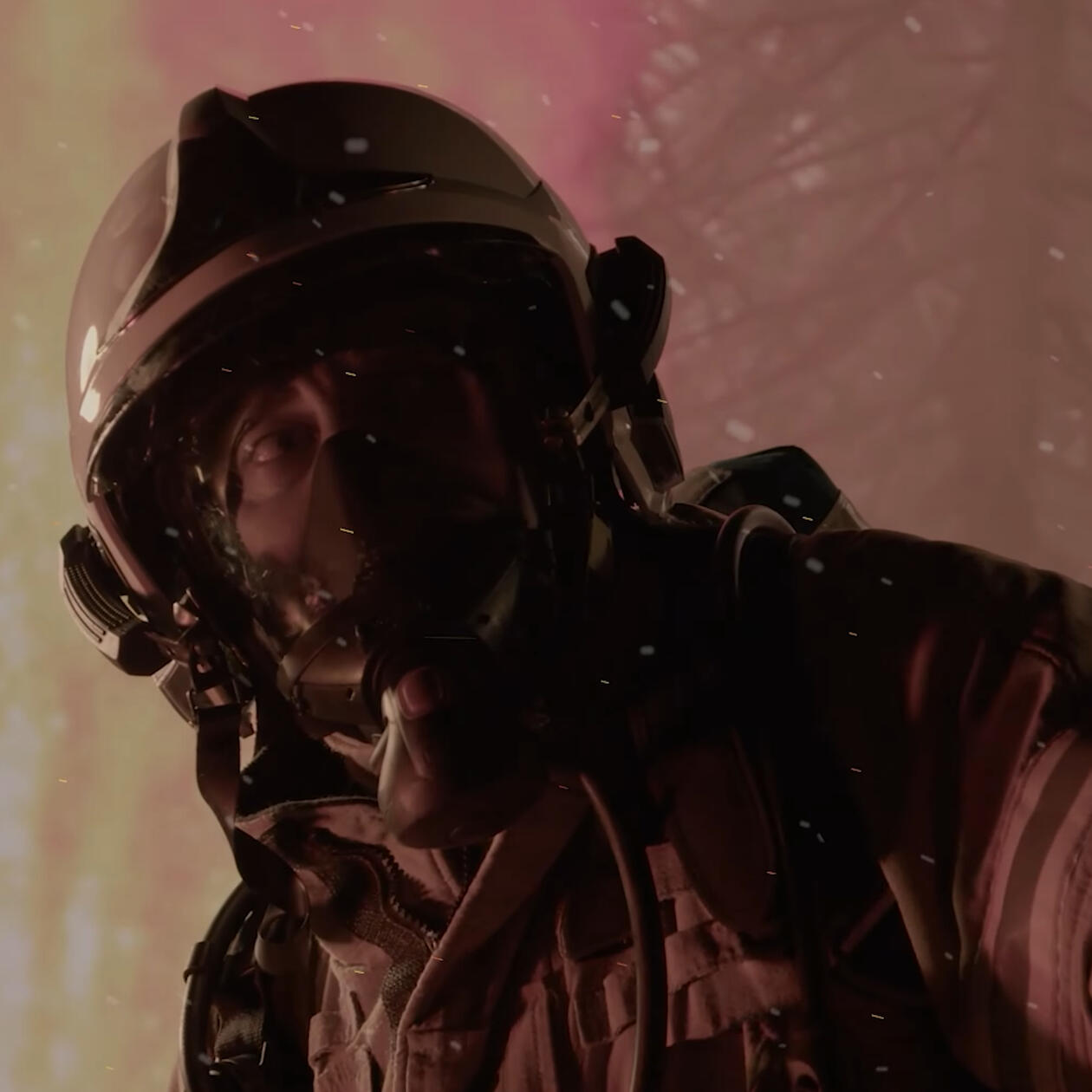
Virtual Production
Showreels of working with teams on Virtual Production short movies. For these showreels, I was the technical artist and designer, as well as Unreal operator. The showcased Firefighter video is the product of team effort, with the collaboration of:
- Suvi Kanerva (3D modeller and environment artist)
- Daniel Brierley (director and producer).
About
When I am not 100% invested in my studies or personal projects, I often spend my free time hanging out with my friends, building Gundam models and Warhammer minis. I really enjoy 3D printing, and of course love playing video games, with some of my all-time favourites being MediEvil, Silent Hill 2, Klonoa: Door to Phantomile and NieR: Automata.Doing volunteer work and tutoring has also become an activity I have become fond of, starting from my first year at Xamk, as I am currently Degree Tutor (Game Design) and an IGDA volunteer for the Kymenlaakso Hub. I also love joining Game Jams happening over the academic year, as well as organizing them. Sharing knowledge is something I enjoy doing, and I currently run the Meduusa Game Development Club for the Game Design degree at Xamk.
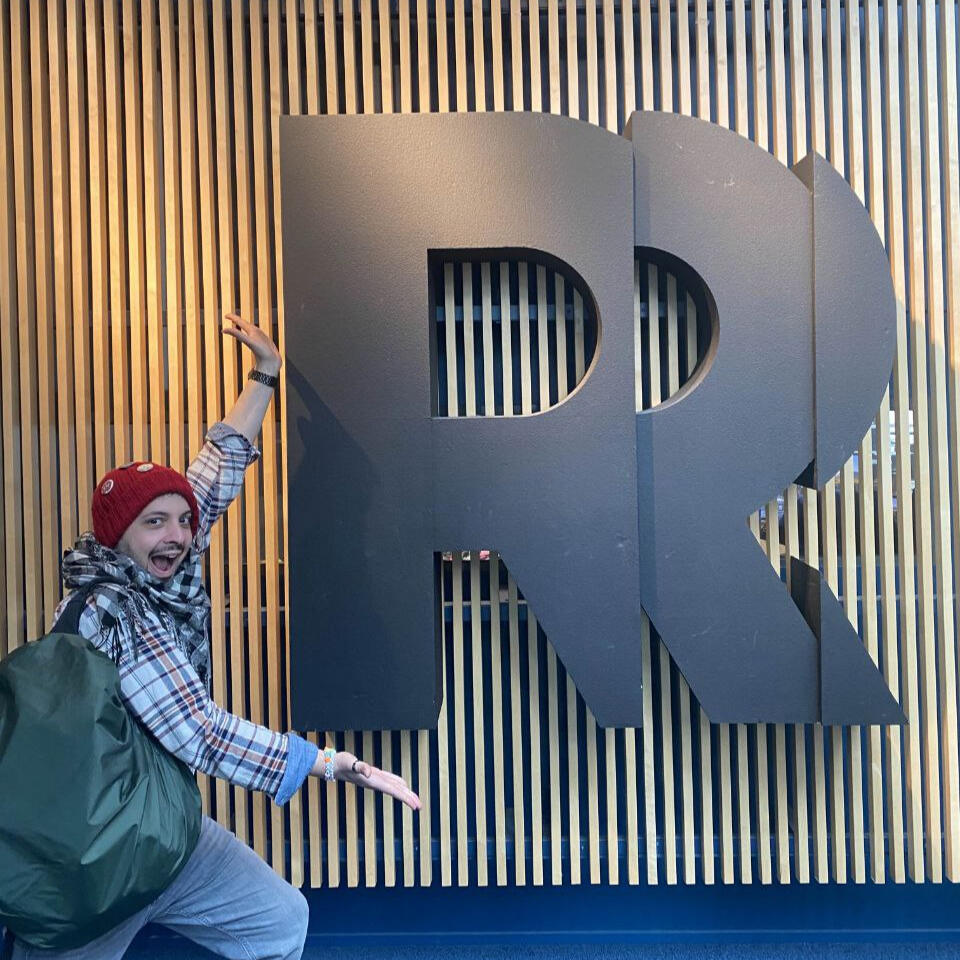
Xamk studio visit at Remedy
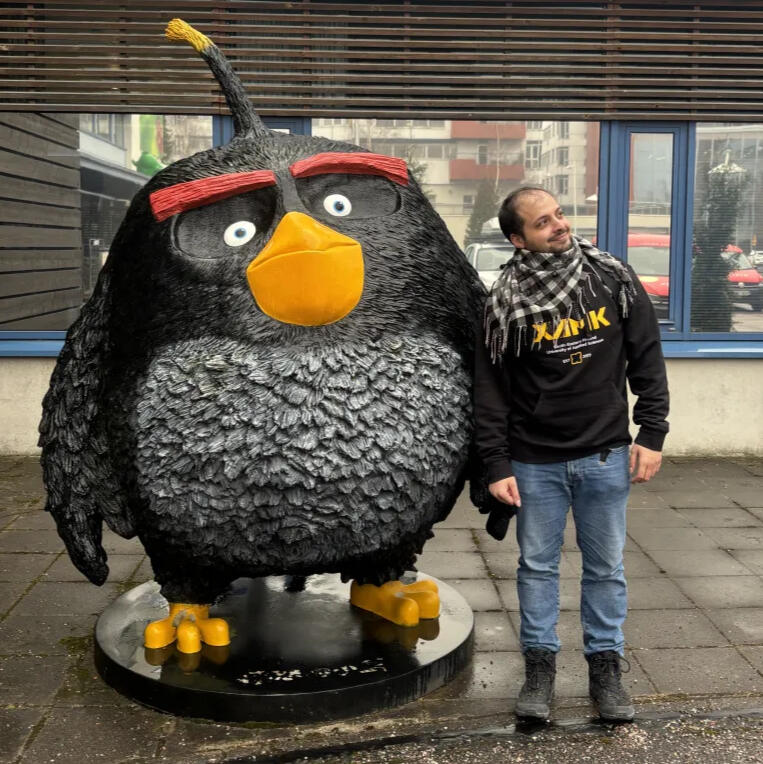
Xamk studio visit at Rovio
Achievements
December 2022:
- Student Of the Year Award at XamkDecember 2023:
- Best Game award at Xamk's Demo Day with "In Between: The Cottongrass Path".February 2024:
- I joined a Research, Development and Innovation (RDI) team for a national research and development competition as an Unreal Engine Operator for Virtual Production, and our video “House of Experiences – Kokemusten talo” won the competition.
Xamk RDI - KouvolaOctober 2024:
- I joined Daniel Brierley's team for the ViveMars “Best Horror Shot” Competition, and our team was awarded with finalist plaque.
Xamk LinkedIn Post
Mechwalker: Procedural Animation
The Mechwalker is a project about procedural animation in Unreal Engine 5 started with 3D artist Jyri Jaatinen.
The idea was to research and create a pipeline to implement procedural animation for a non-humanoid skeletal mesh through an iterative process. The approximate time to learn and implement the Control Rig functionalities was about 18 hours.
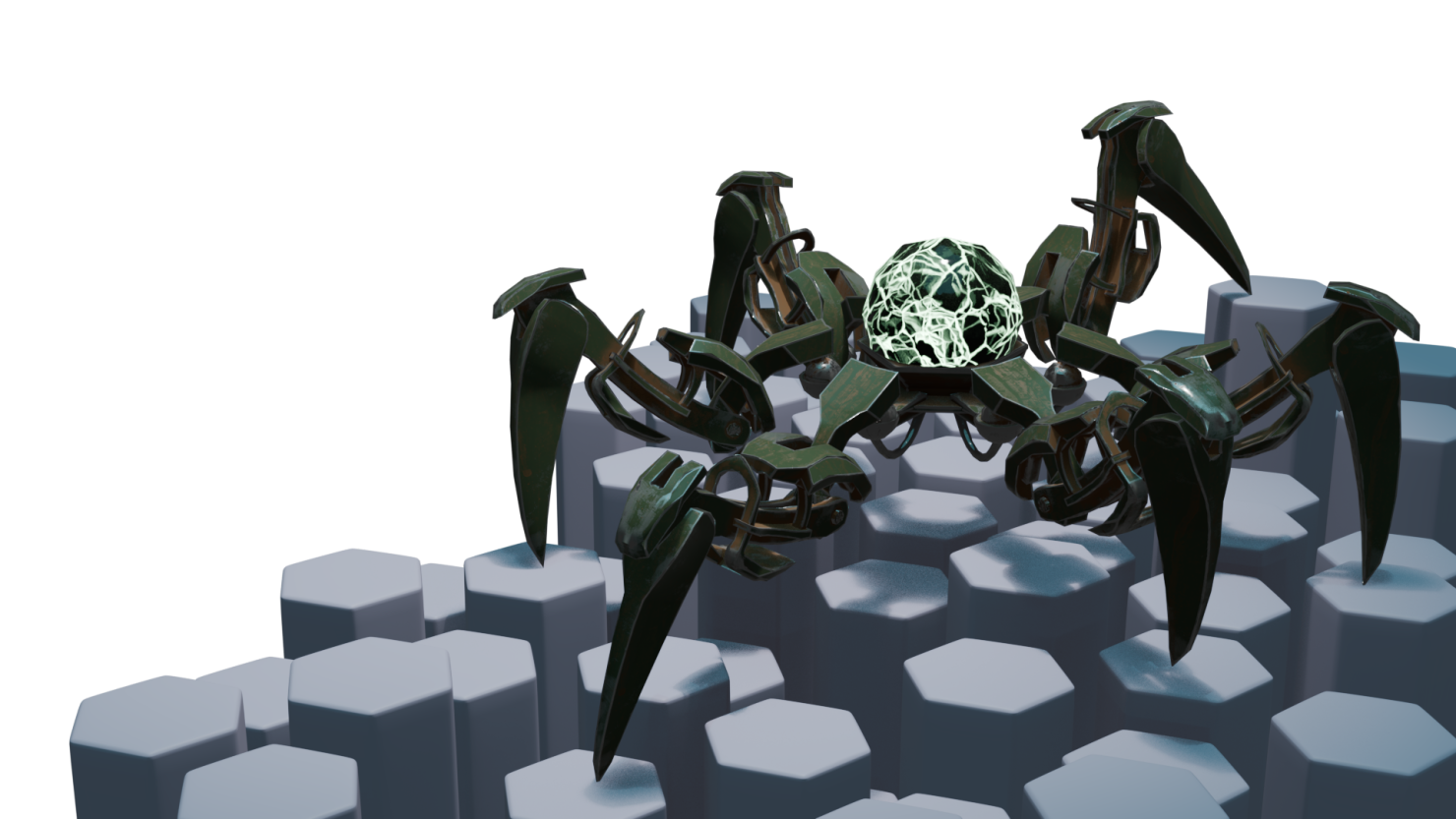
In Engine Slideshow and Demonstration
Design Process
Scope
We use Inverse Kinematics (IK) in game engines to maintain contact with the world, like reaching for a door knob, and to modify a pose procedurally, like lowering the hips while keeping the feet on the ground. The scope of this project was to create a Control Rig in Unreal Engine to be used on multiple rigs with more than two legs.
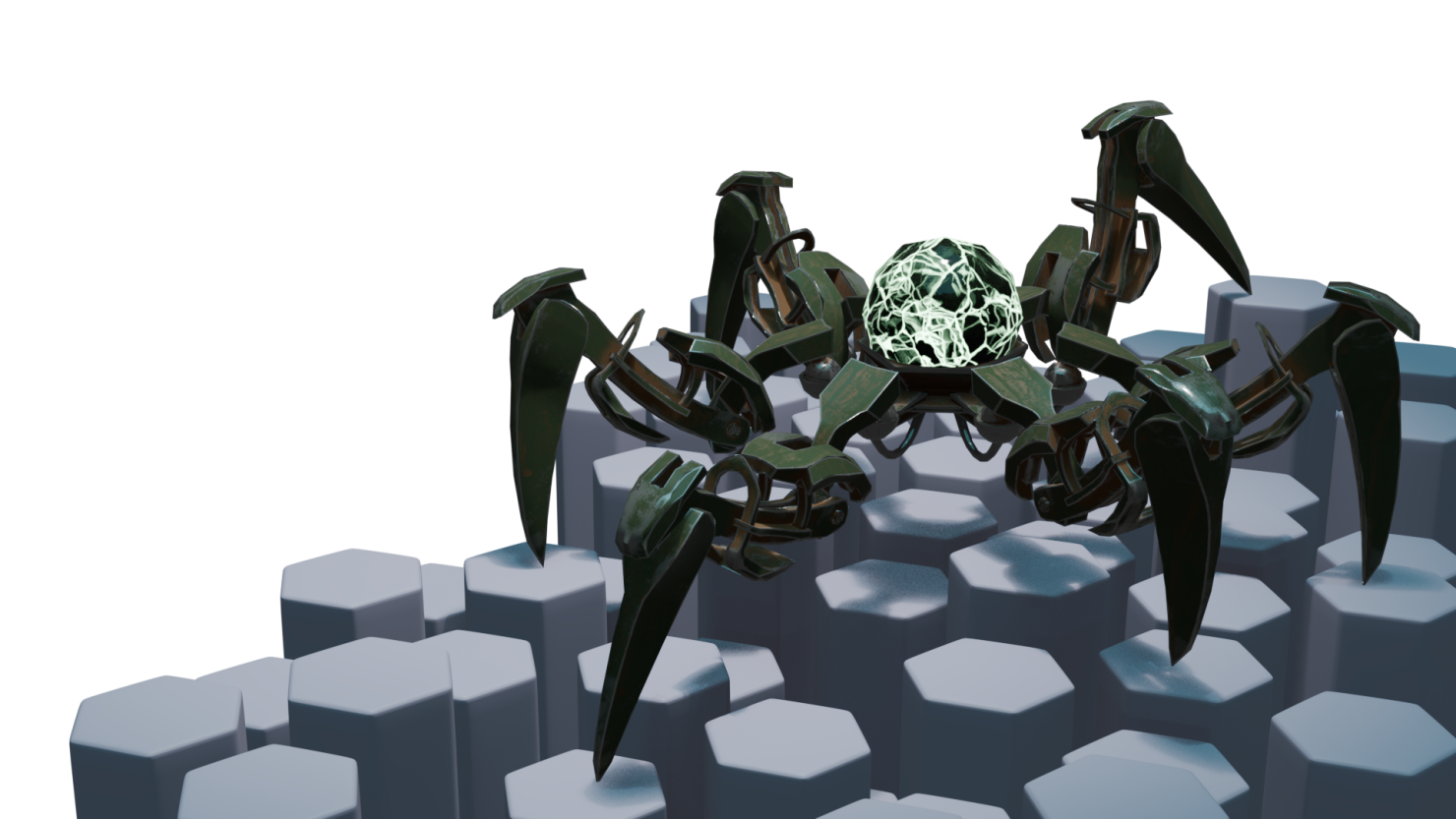
First attempt
The first problems we had to solve were related to the workflow from Blender to Unreal Engine 5 for a Skeletal Mesh. In the first iterations there were issues with the skeleton, as the exporting process was adding and parenting bones to parts of the meshes, making the Skeletal Mesh in Unreal usable, yet incorrect for a game production pipeline. This was due to the rig made in Blender having IK built in Blender, and the rig was also lacking a Root bone. After giving feedback, those needed changes were implemented.
Studying other Rigs
While the root and pelvis bones were fine, the hierarchy for the rest of the bones was odd. In a typical human rig, the bones follow a clear hierarchical structure where each bone is parented to the next in sequence. However, for the Mechwalker, the bones were all set up independently rather than being connected hierarchically. To make the rig work properly in a game engine like Unreal Engine, the parenting had to be fixed so that the bones would follow a more logical order, similar to what you’d see in a human rig.Studying the Unreal Engine Mannequin Rig helped to reach these conclusions that were implemented. Also, this post on the Unreal Engine forum helped to understand another part of the importing issues; you can check it here.
Second iteration
Another issue came up with “leaf bones.” These are extra bones that Blender automatically creates when exporting, messing up the rig when imported into the engine (this was an easy fix by just unchecking a box in Blender's export settings). Adding a naming convention to work with the Control Rig in the engine was also mandatory to make the blueprint easier to work with, especially with the ending bones with “boneName_end” convention as a clear endpoint for each leg section. Another problem was related to the IK bones made in Blender, those had to be removed, which led to remaking the rig from scratch.After the rig was remade and ensuring each leg had an “end” bone, the rig felt solid and with a clear hierarchy, way easier to work with in the game engine.
The work that I have implemented and showcased on this page was a team effort and for that I wish to give credit to:
Jyri Jaatinen (Mechwalker model, rig and render)
In-Depth documentation
for the Control Rig
Notion page with full documentation process about Full Body IK and Mechwalker
Sources
Motion Warping and Full-Body IK | Inside UnrealFull Body IK: Procedural Dragon AnimationsUsed for Troubleshooting the importing setting of the rig UE5: Unreal creates extra bones on importControl Rig for Unreal Engine 5
Virtual Production
For the showcased videos, I covered the roles of technical artist and designer, as well as Unreal operator for Virtual Production.
Furthermore, the videos were a team effort and for that I wish to give credit to the people who have contributed to the realization.
Firefighter short film
- Suvi Kanerva (3D modeller and environment artist)
- Daniel Brierley (writer and director)
Particle Dancer short film
- Suvi Kanerva (3D modeller and environment artist)
- Daniel Brierley (writer and director)
- Antti Keinänen (3D modeller and environment artist)
Statues in the dark short film
- Daniel Brierley (writer and director)
- Antti Keinänen (digital set building)
- Nina Hokkanen (3D character modeller)
- Cody Lucero (3D character modelling, rigging. animator)
- Eve Saastamoinen (performance capture)
- Konstantin Emelyanov (lighting, prop master and grip)
- Nina Hokkanen (3D character model and mocap actor)
- Vivian Reapalu (sound recording)
- Kristian Faruku (actor)
- Markus Sööt (actor)
- Mariana Reyes (editing)
- Henri Brandt (music)
- Cygnus Madrose (storyboarding)
- Malena Rose (backstage making of and interviews)
- Jacob Roginski (backstage making of and interviews)
Playground Project
Overview and Scope
Playground Project is a small tech demo following an unnamed young boy who is accompanied by a malevolent entity.The project's purpose is to allow the team members to improve the skills of their specializations without the pressure of outside influence; learning while simulating a production environment.My role in this project: technical -, combat and level designer.
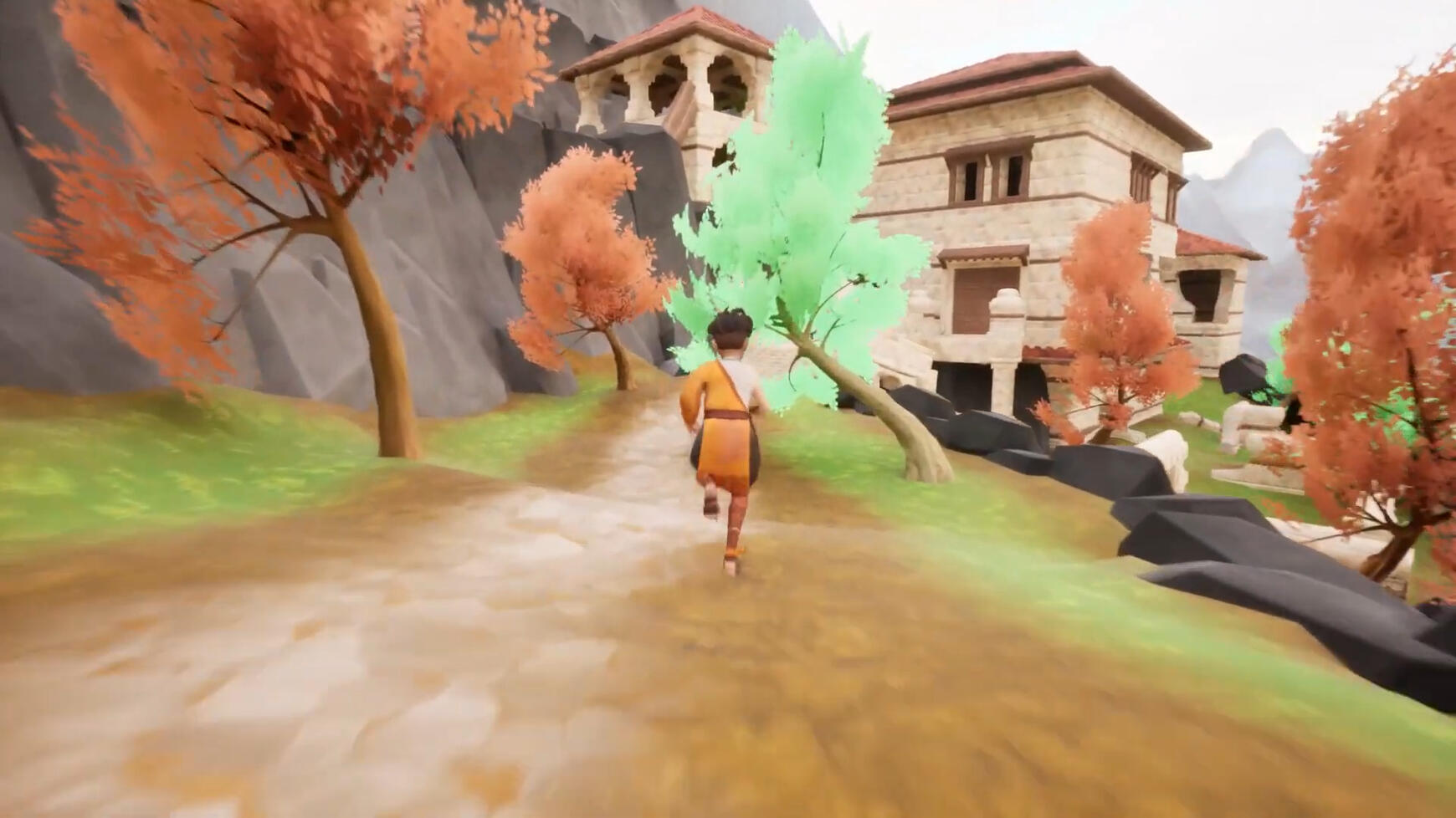
In Engine slideshow and demonstration
Design Process
Traversal Movement
The currently used traversal system project, uses a custom ledge detection setup with a scan breadth algorithm, enabling the player to detect climbable surfaces based on parameters like height, angle, depth, and proximity. While it offered fine control, it caused problems while expanding the animation states. After studying Epic Games’ Motion Matching sample and their approach to interactions, I reassessed the design. I’m currently reworking the system to follow a more streamlined, scalable method inspired by their workflow, prioritizing smoother animation integration while maintaining technical depth.
Combat Design
Combat is designed closely to the narrative dynamic between the boy and the entity. We explored light and heavy attacks with a customizable combo system, focusing on expressive animation and clean hit feedback, even without VFX.
The system is built using Animation Montages in Unreal Engine 5, with each attack type (light, heavy, abilities) managed through modular montages and animation events. This setup offers precise control over timing, transitions, and hit detection, while remaining scalable, as new fighting styles can be added by simply plugging in new montages in the system.
Using Animation Notifies, I also implemented special effects like a launcher on the uppercut, allowing for quick iteration and clear visual feedback without relying on particle effects. Both traversal and combat systems are made as Actor Components, allowing for any character having the same rig as the Unreal Manny to use the systems.
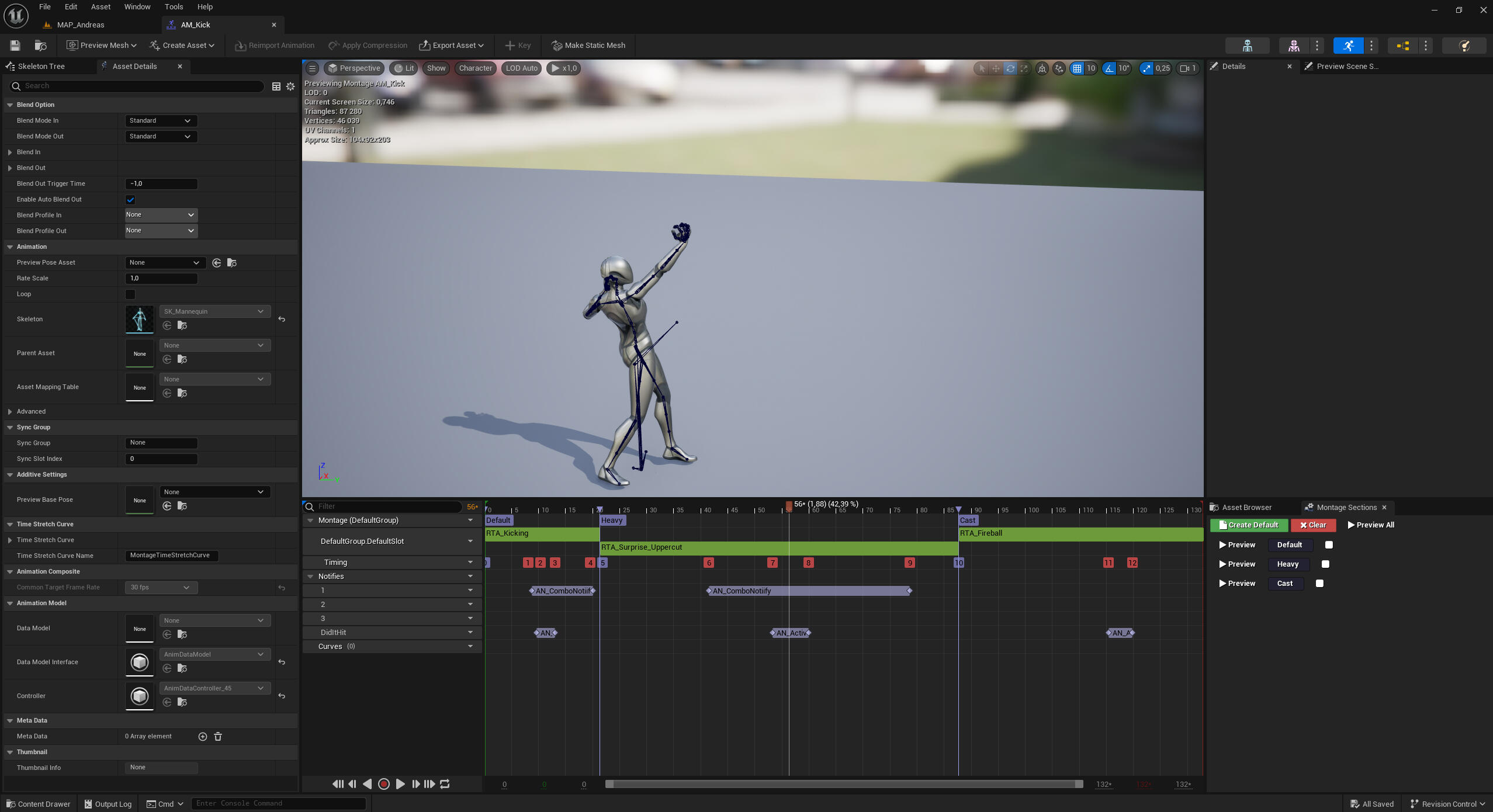
The work showcasing in this portfolio, is altogether a team effort and I therefore wish to give credit to Jenna Toivonen (3D Character Designer, Technical and Character Artist), Antti Keinänen (3D Artist, Environment Artist) and Christopher Solis (3D Animator).
Game Jam Games
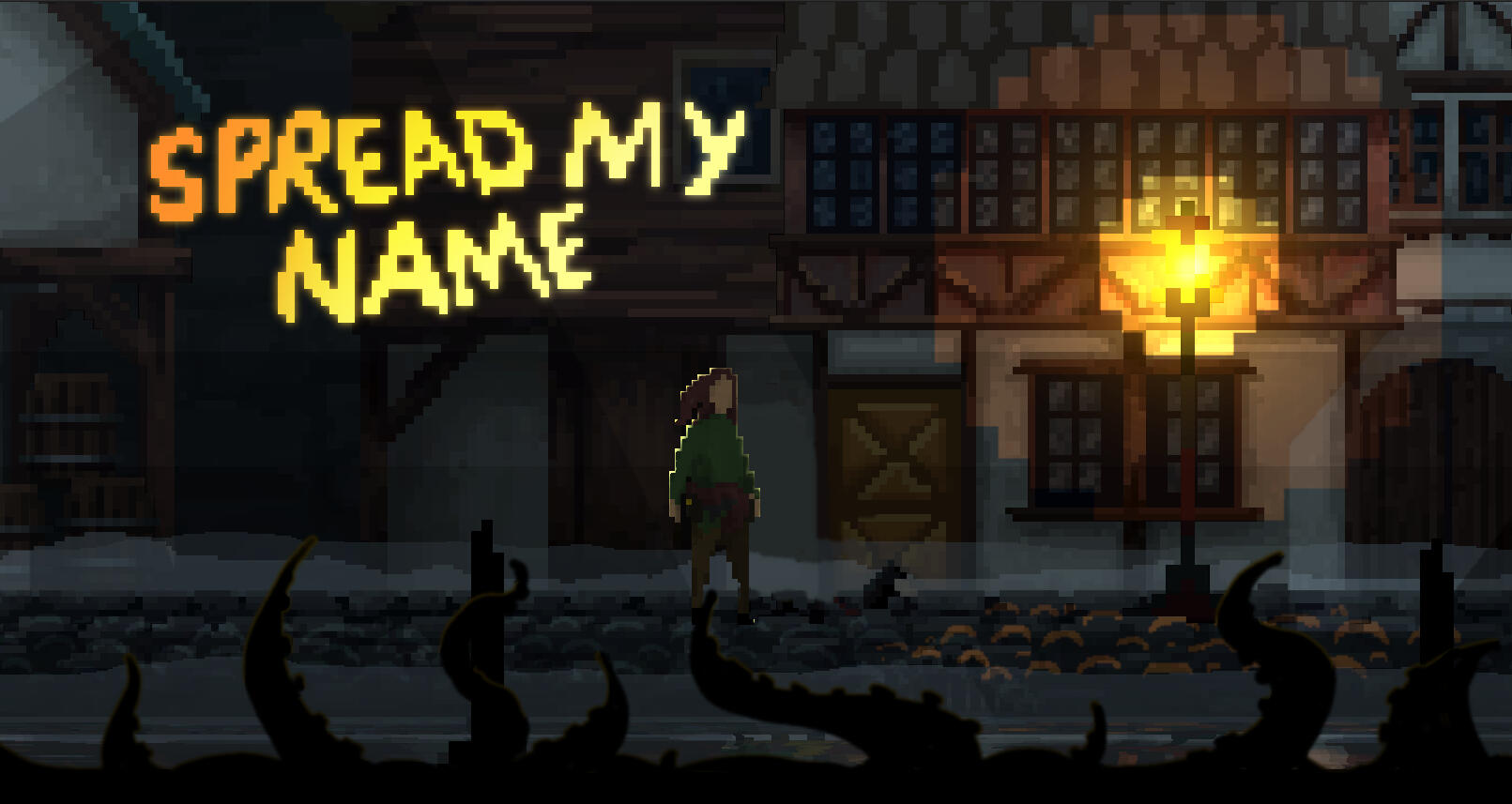
Spread My Name
Video game about spreading your cult across medieval times in a charming pixel art aesthetic, made in collaboration with Isabella Mosteller and itch.io user Hypexboi.
Follow the commands of your Lord.My role in this project: programmer, system designer.

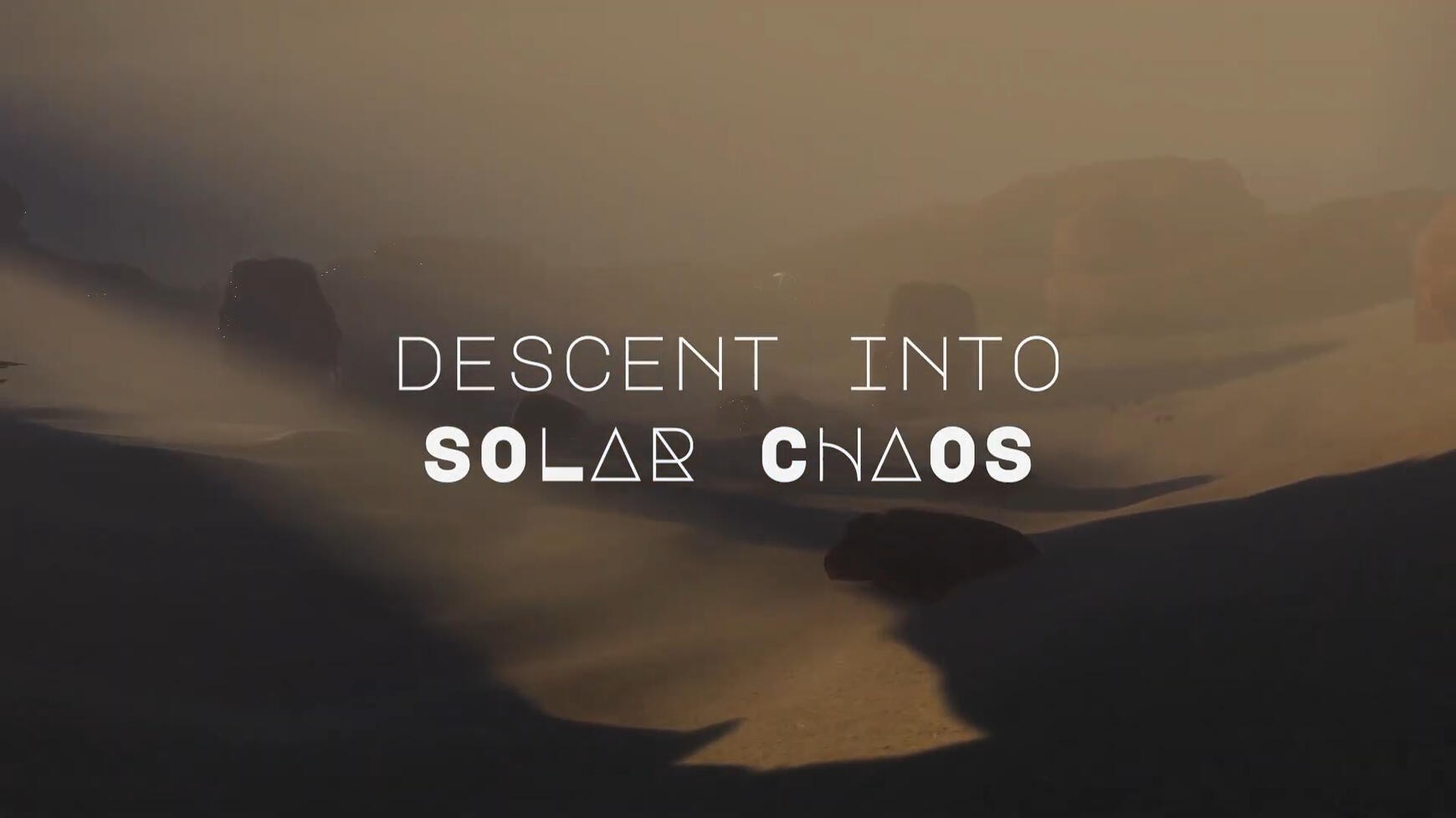
Descent into Solar Chaos
Video game about surviving on a hostile planet after a crash on the planet surface, where the radiation rays of the Sun have a heavy effect on the human brain. The longer you are exposed to the sunlight, the faster your brain deteriorates.
Stay in the shadows, find the other crew-mates, locate the underground bunker entrance before the dangerous light of high noon strikes you for good.My role in this project: game —, level designer, 3D artist.

In Between: The Cottongrass Path
In Between is a 3D Platform and Adventure game.A child gets lost in the forest and is transported from their own reality to a world filled with mythological creatures. They travel through the forest in hopes of finding a way back home.My role in this project: programmer, level designer, technical artist.
Design Process
Starting with pen and paper allowed me to communicate ideas and design choices in a more efficient way with the team in the early stages of the game. This allowed the team’s vision to be coherent and unified, and for a more efficient iteration of the project. During the pre-production, more time was spent on drawing sketches to further visualize the flow of the level.
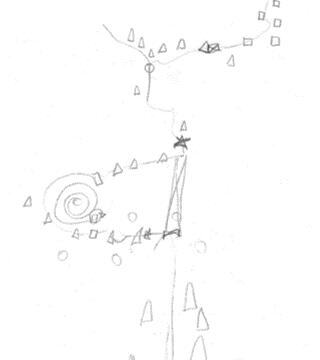
Pen and paper design

Digital painting design


Before building the level, I referred back to the pen and paper sketches to make a layout, which helped to create the blockout.
For my level design workflow, I always keep into account the volume of the rooms and open areas. This helps artists to place props and decorate as they please since they have enough space to do so. This combined workflow helps also with different emotive design elements, such as compressing and expanding the space, as well as using different shapes and forms to guide the player in the level.Ultimately, the level ended up being different and scoped down from what was planned due to time constraints.


Future possibilities and scalability of the project were kept into consideration, trying to use known programming patterns used in game programming, and commenting not easily readable scripts.The scripts were written following the engine’s pipeline and documentation, keeping what is game logic separated from what is game visual. I used simple forms for prototyping and testing, making a climbing and a slope check script.You can check the code samples on GitHub by clicking here.


The work that I have implemented and showcased on this page was a team effort and for that I wish to give credit to:
Alise Hirvonen (Concept Artist, 3D Character & Environment Artist)
